
Table of Contents
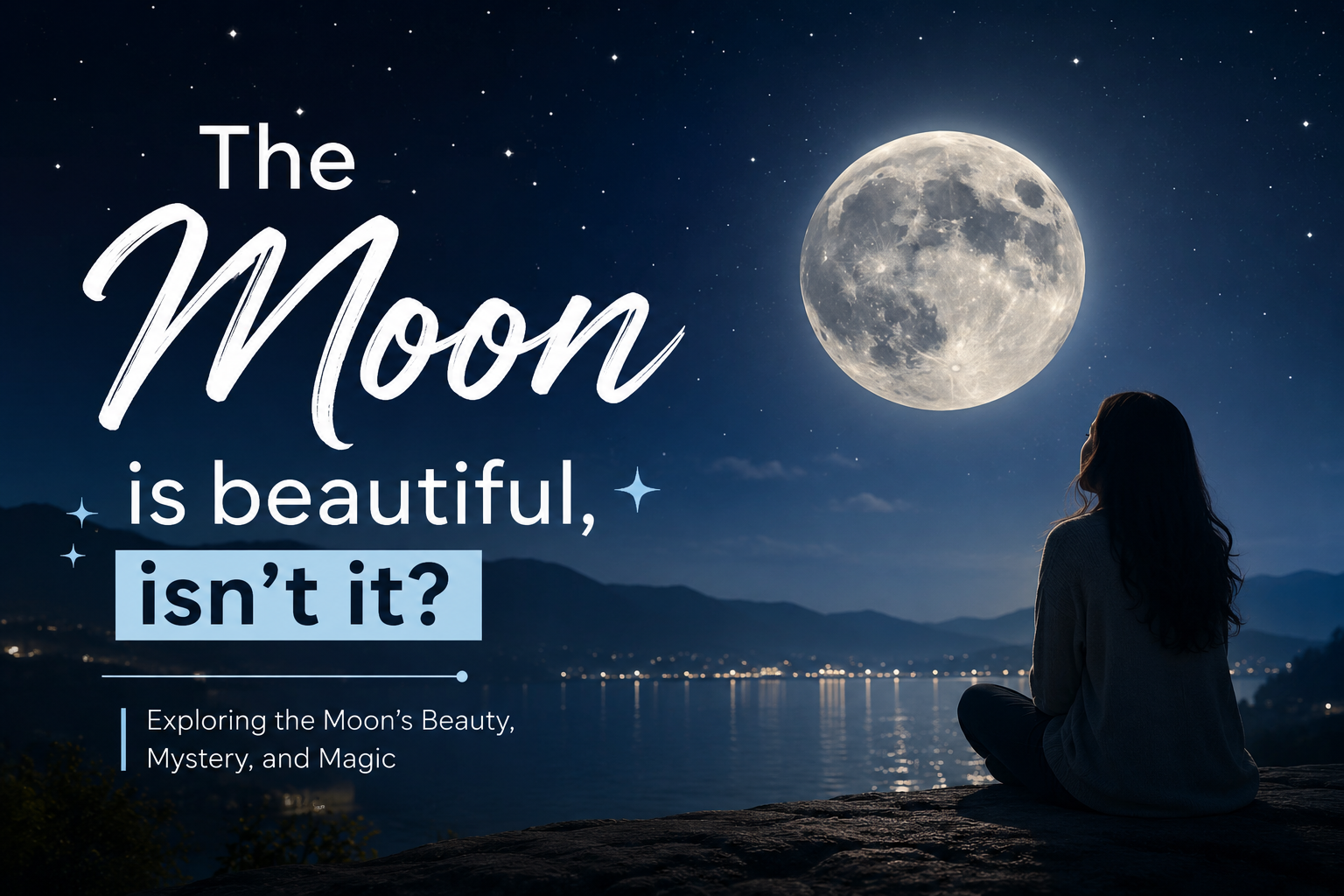
The Moon Is Beautiful, Isn’t It? A Complete Guide
Introduction
“The moon is beautiful, isn’t it?” is much more than a simple observation about the night sky. Over the years, this poetic phrase has become one of the most recognized indirect ways of expressing love, especially among fans of Japanese culture, literature, and anime.
The phrase has gained significant popularity across social media platforms, online communities, and storytelling circles because of its emotional depth and subtle beauty. Rather than saying “I love you” directly, the speaker expresses admiration for the moon, allowing deeper feelings to remain beautifully understated.
In this guide, you’ll learn everything about the moon is beautiful isn’t it, including its meaning, history, symbolism, benefits of using the phrase, related tools and resources, common misconceptions, and what the future holds for this timeless expression.
What Is The Moon Is Beautiful Isn’t It?
The moon is beautiful isn’t it is a poetic expression widely believed to represent an indirect confession of love. Instead of openly saying “I love you,” someone says, “The moon is beautiful, isn’t it?” hoping the listener understands the hidden emotional meaning.
Today, the phrase is commonly used in:
- Romantic conversations
- Literature
- Poetry
- Anime and manga discussions
- Social media captions
- Love letters
- Artistic storytelling
Although it appears simple, the phrase carries emotional weight because it allows people to express affection in a subtle and elegant way.
Definition and Background
The phrase is commonly associated with the Japanese novelist Natsume Sōseki, who is said to have suggested translating the English phrase “I love you” into Japanese as “The moon is beautiful, isn’t it?” because direct expressions of love were considered less common in traditional Japanese culture.
While historians debate whether this story is entirely factual, the phrase has become deeply embedded in modern popular culture regardless of its exact historical origin.
Its popularity has expanded worldwide thanks to:
- Japanese literature
- Anime
- Manga
- Romantic novels
- Social media trends
- Online fan communities
Purpose and Relevance in the The Moon Is Beautiful Isn’t It Community
The popularity of the moon is beautiful isn’t it continues to grow because it offers a unique way to communicate emotions.
Its relevance includes:
- Expressing love without saying it directly
- Creating emotional depth in conversations
- Inspiring writers and poets
- Encouraging thoughtful communication
- Enhancing storytelling in creative works
In online communities, many people discuss the phrase alongside symbolism, romance, and Japanese cultural expressions.
Key Features of The Moon Is Beautiful Isn’t It
Although this phrase isn’t software or a technical product, it offers several unique characteristics that explain its enduring popularity.
Emotional Subtlety
The phrase conveys powerful emotions without explicit wording.
Universal Symbolism
The moon represents:
- Beauty
- Hope
- Distance
- Romance
- Reflection
- Peace
Cultural Significance
It bridges literature, language, and modern internet culture.
Timeless Appeal
Unlike slang that quickly fades, the moon is beautiful isn’t it remains meaningful across generations.
Main Functionalities
The phrase serves several practical communication purposes:
- Indirect confession of love
- Romantic conversation starter
- Literary symbolism
- Creative writing inspiration
- Emotional storytelling
- Artistic expression
Unique Aspects That Differentiate It from Others
Compared to ordinary romantic phrases, the moon is beautiful isn’t it stands out because:
- It feels poetic instead of direct.
- It encourages interpretation.
- It reflects emotional maturity.
- It carries cultural significance.
- It creates memorable conversations.
How The Moon Is Beautiful Isn’t It Works
Understanding the phrase is surprisingly simple.
Step 1
One person says:
“The moon is beautiful, isn’t it?”
Step 2
The listener recognizes that the speaker may be expressing hidden affection.
Step 3
If both understand the symbolism, the phrase becomes an indirect declaration of love.
Technical Overview (Simple Language)
Think of the phrase as emotional symbolism rather than literal communication.
Instead of:
“I love you.”
The speaker communicates:
“I admire this beautiful moment with you.”
The emotional context creates the hidden meaning.
Benefits of Using The Moon Is Beautiful Isn’t It
There are many reasons people continue using this famous expression.
Elegant Communication
It sounds thoughtful rather than overly dramatic.
Romantic Atmosphere
The phrase naturally creates a warm emotional setting.
Cultural Appreciation
Using the expression can encourage interest in Japanese literature and poetic storytelling.
Memorable Conversations
People often remember indirect confessions more vividly than ordinary ones.
Practical Use Cases
The phrase appears in many situations, including:
- Love letters
- Wedding speeches
- Anniversary messages
- Poetry
- Fiction writing
- Anime-inspired conversations
- Instagram captions
- Romantic photography
- Moonlight dates
Popular Tools and Resources Related to The Moon Is Beautiful Isn’t It
Although there are no official the moon is beautiful isn’t it tools or the moon is beautiful isn’t it configuration options, several resources help people explore its meaning.
Literature
Classic Japanese novels often emphasize subtle emotional expression.
Poetry Communities
Many writers create original poems inspired by the phrase.
Language Learning Apps
Students studying Japanese frequently encounter discussions about the expression.
Creative Writing Platforms
Authors use the phrase in romance stories and emotional dialogue.
How to Get Started
Anyone can appreciate or use the moon is beautiful isn’t it.
Step 1
Learn its symbolic meaning.
Step 2
Understand the cultural background.
Step 3
Use it naturally in meaningful conversations.
Step 4
Explore literature and poetry for deeper inspiration.
Tips for Beginners
- Don’t overuse the phrase.
- Understand the emotional context.
- Use it sincerely.
- Appreciate its poetic nature.
- Learn about Japanese storytelling traditions.
Pros and Cons
Pros
- Beautiful and poetic
- Emotionally expressive
- Universally recognizable online
- Rich literary background
- Encourages meaningful communication
Cons
- Some people may misunderstand it.
- Cultural references aren’t always recognized.
- Historical attribution remains debated.
- It may seem vague without context.
Common Issues and Troubleshooting
People Don’t Understand the Meaning
Solution:
Explain that it’s a symbolic expression of affection rather than a literal comment about the moon.
It Feels Too Subtle
Solution:
Pair the phrase with meaningful conversation or thoughtful actions so the intended emotion is clearer.
Misconceptions About Its Origin
Solution:
Recognize that the story connecting it to Natsume Sōseki is widely shared but not universally verified. Appreciating the phrase does not depend on the historical debate.
Future of The Moon Is Beautiful Isn’t It
The phrase continues to gain popularity because digital communication increasingly values emotional storytelling.
Future trends include:
- Greater use in social media captions
- More references in anime and manga
- Continued popularity in romantic fiction
- Increased interest among language learners
- Creative adaptations in films, music, and online communities
As people seek meaningful and authentic ways to express emotions, the moon is beautiful isn’t it is likely to remain a beloved expression.
Related Keywords
If you’re exploring this topic further, you may also encounter searches such as:
- the moon is beautiful isn’t it meaning
- the moon is beautiful isn’t it origin
- the moon is beautiful isn’t it Japanese phrase
- the moon is beautiful isn’t it symbolism
- the moon is beautiful isn’t it tools
- the moon is beautiful isn’t it configuration
- gaming mods guide the moon is beautiful isn’t it (often searched accidentally but unrelated to the phrase)
Frequently Asked Questions
Is “The moon is beautiful, isn’t it?” really a way of saying “I love you”?
Yes. It is widely interpreted as a poetic and indirect expression of romantic affection, though its historical origin is debated.
Why is the moon used?
Across many cultures, the moon symbolizes beauty, romance, longing, tranquility, and emotional connection, making it a fitting metaphor for love.
Is this phrase only used in Japan?
No. While associated with Japanese culture, it has become popular around the world through literature, anime, manga, and social media.
Can I use it in everyday conversation?
Absolutely. It works best in thoughtful or romantic moments where both people can appreciate its symbolic meaning.
Conclusion
The moon is beautiful isn’t it has become one of the world’s most beloved poetic expressions of affection. Its blend of romance, symbolism, and cultural significance makes it far more than a simple comment about the night sky. Whether you discovered it through literature, anime, or social media, the phrase continues to inspire meaningful conversations and heartfelt connections.
If you’re looking for a graceful way to express your feelings or simply want to explore the beauty of symbolic language, the moon is beautiful isn’t it is a timeless expression worth understanding. Explore its literary roots, share it thoughtfully, and let its quiet elegance inspire your own conversations.